
$20 Billion.
What Can It Really Buy?

When we say “$20 billion,” most people nod — and have no idea what that means. So let’s make it real.
A private motor yacht — the kind you see moored in Monaco — often costs US $500,000 to $5 million. That’s how much capital it takes to float luxury on the water.
At $20 billion, you could buy 4,000 to 40,000 such yachts — enough to create the world’s most absurd private fleet.

If you aim higher — the 100-metre superyachts that billionaires customize — they can easily cross US $275 million each.
Twenty billion dollars gets you 70 mega-yachts. Enough to wipe out every marina in the Mediterranean.

Or go from sea to city: prime real-estate apartments in major global capitals cost several million USD each.
Twenty billion = thousands of luxury homes, entire skylines financed into existence.

And if your tastes run to sports: the New York Yankees — one of the most valuable franchises on Earth — cost about US $8.2 billion.
Twenty billion buys the Yankees twice… and some change.

Already, we’re in “capital that shapes culture” territory.
In short: $20 B isn’t pocket-change. It’s capital that can create wealth, security, and long-term assets — or, if lost, wipe out equivalent value on a massive scale.
🌊 Then, the Floods: Asia’s $20 Billion Loss
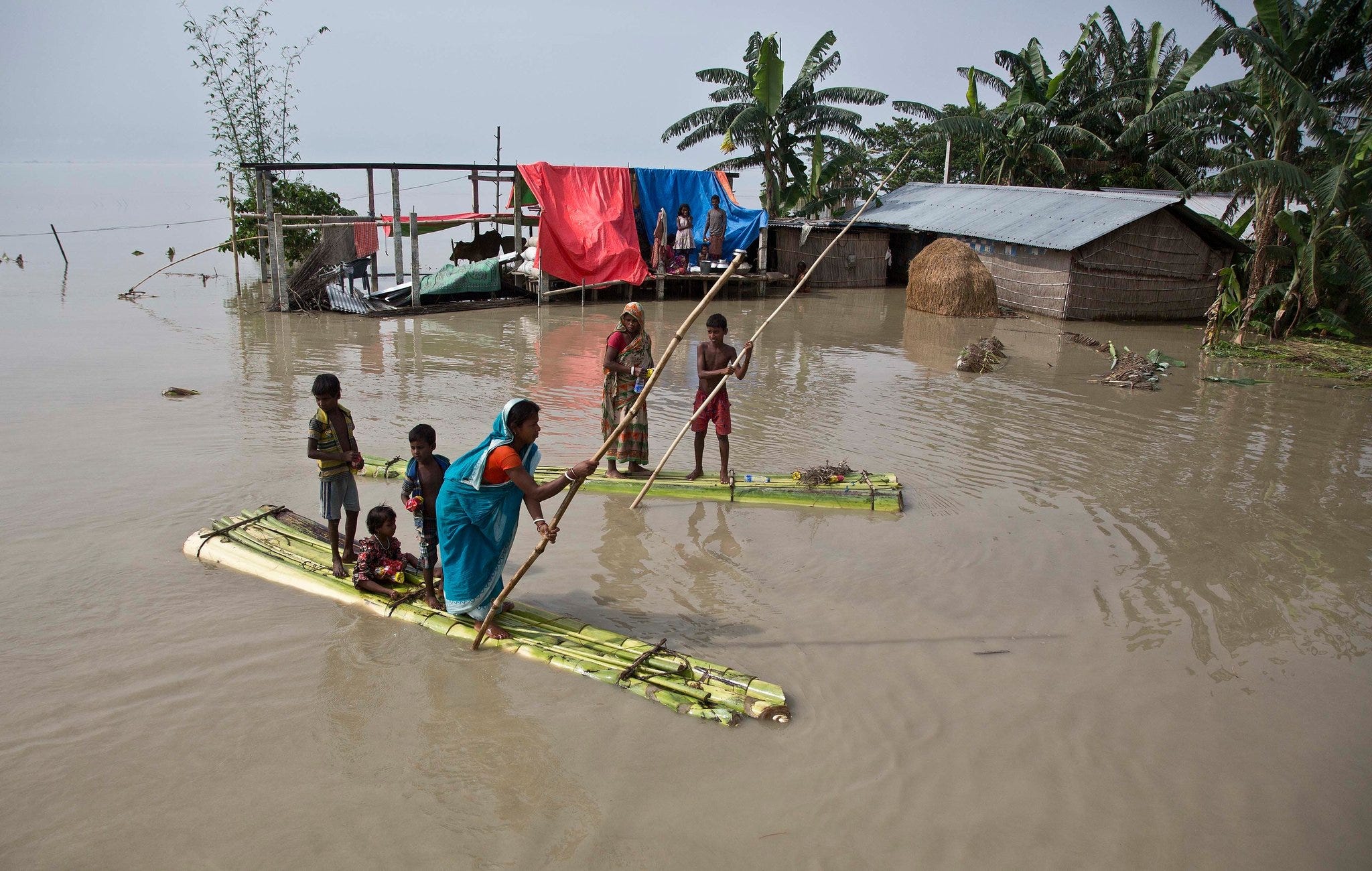
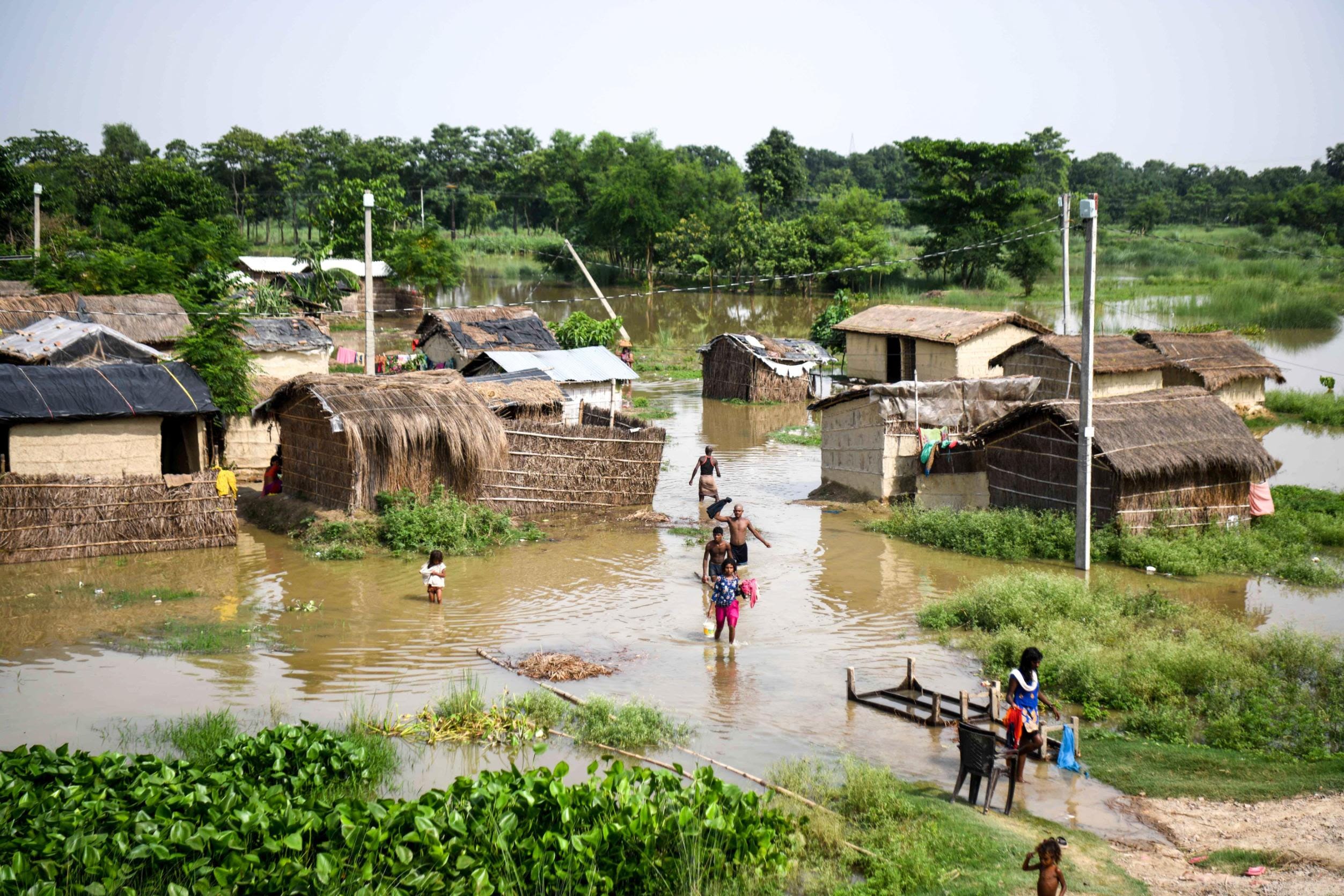
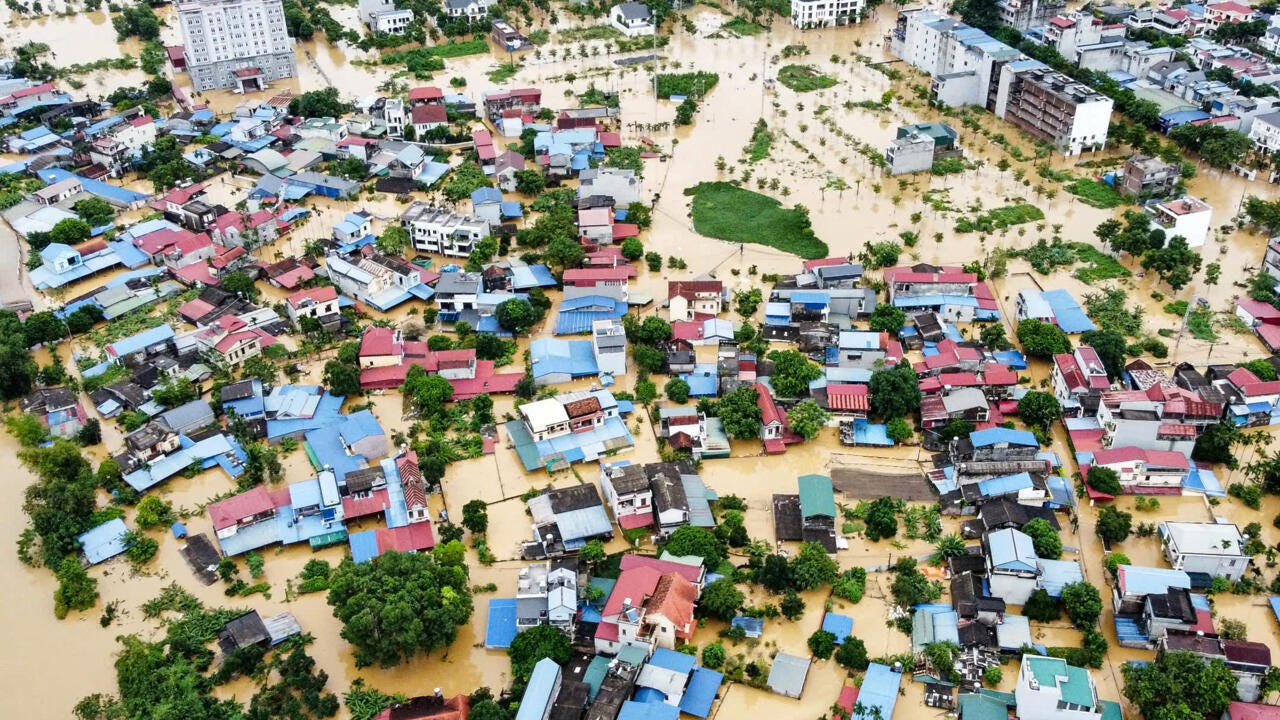
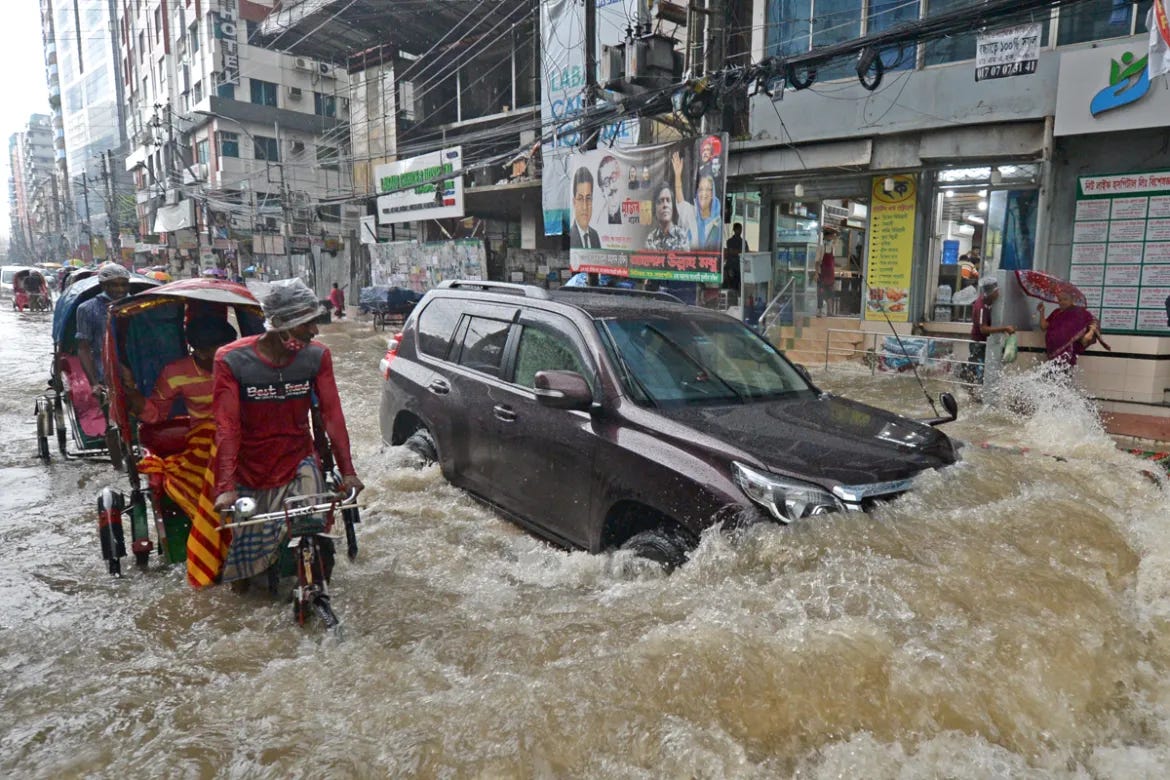
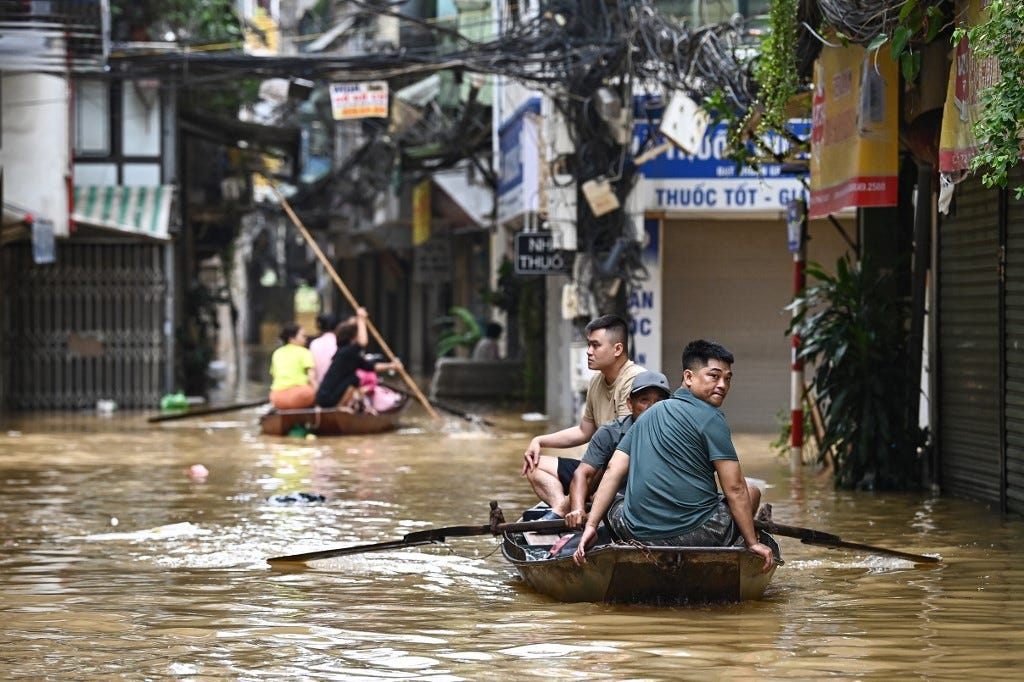
According to recent reporting, floods across parts of South and Southeast Asia have killed more than 1,300 people and caused at least US $20 billion in economic losses — all since late last month. Bloomberg+2The Business Times+2
These floods struck a swath from Sri Lanka to Indonesia and beyond, triggered by a sequence of tropical cyclones meeting the seasonal monsoon — producing rainfall and storm surges “unseen in decades.” Carbon Brief+2Al Jazeera+2
That $20 B wasn’t invested — it was erased. Gone in a matter of weeks: infrastructure destroyed, homes lost, livelihoods wiped out, supply chains disrupted.
🔄 What That Lost $20 B Could Have Done — If Invested as a “Loss & Damage / Resilience Fund”
Instead of being written off as “flood damage,” $20 billion could have been directed toward building climate resilience and cushioning vulnerable populations. For example, a robust fund could finance:
Flood- and cyclone-resilient infrastructure: stronger drainage, reinforced buildings, storm-resistant bridges and roads.
Nature-based defenses: wetlands, mangroves, reforestation to absorb rainfall, reduce run-off and landslide risk.
Early warning systems, evacuation programs, disaster-response capacity — to save lives and reduce casualties.
Resilient agriculture, water-management systems, food-security networks — protecting food supply and livelihoods.
Social safety nets: housing aid, community-reconstruction grants, livelihood support for displaced families.
In other words — build strength before disaster hits, rather than rebuilding after it sweeps away lives and value.
⚠️ Why This Matters — Economy, People, Planet
Losing $20 billion in a single flood event isn’t just a headline — it’s a setback with cascading effects:
Economies get weakened: destroyed infrastructure, disrupted trade and supply-chains, loss of business, jobs, stability.
Communities and livelihoods — especially among vulnerable populations — face long-term disruptions, displacement, poverty.
Food systems and agriculture suffer: crops and farmland damaged, food insecurity increases, supply-chain resilience erodes.
Natural ecosystems and biodiversity take hits: washed-out land, disrupted habitats, environmental stress that erodes resilience of species and ecosystems.
Climate vulnerability deepens: without pre-emptive investment, each new disaster compounds damage, making recovery harder and reducing capacity to protect against future crises.
Essentially, every dollar lost is not just a cost — it’s potential wealth, stability, resilience, and future opportunity wiped out.
🔄 From Loss to Action — Why the $20 Billion Should Shock Us Into Funding Protection
This is not just a climate story. It’s a capital story: a story of lost assets, lost potential, lost futures.
If $20 billion can be lost in a few weeks of rain — then capital must flow toward resilience before disaster strikes.
What we lost once can — and should — be used to build systems that prevent such losses.
So when you read that number — $20 billion — remember:
It could have bought safety, shelter, security, growth, life.
Instead, for many, it bought ruin.
If you read this far — take one action:
➡️ Hit Share so more people understand the real currency of climate inaction.
➡️ Tag someone in finance, investing, policy or infrastructure — this is their battlefield too.
Take any action that you can in the right direction..
Yes, $20bn is a lot of money.
But what about insurance? And re-insurance?
In California, more inequality and more gentrification resulted from floods and fires in 2024 and 2025. Not to mention New Orleans. Or Texas. Or pork barrel politics earmarking funds for Hawai (!!!) after Storm Sandy hit - a part of New York City!!!
Smart way to ground abstract numbers in tangible comparisons. That shift from hypothetical luxury assets to real infrastructure loss makes the opportunity cost brutally clear. The piece nails how preemptive investment gets perpetualy outcompeted by reactive spending, even when the math obviously favors prevention.